Cenozoic
Paleocene
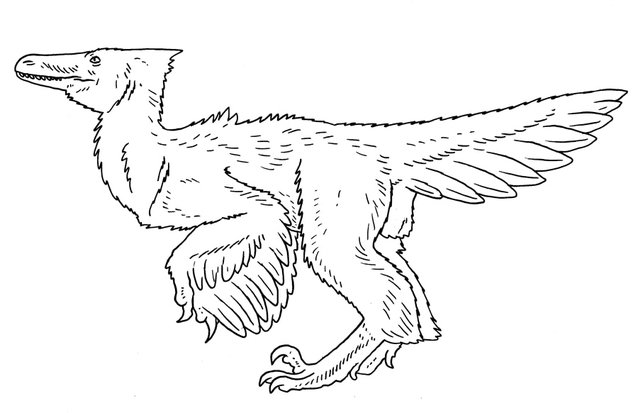
Late-surviving species of dromaeosaur. Velociraptorinae.
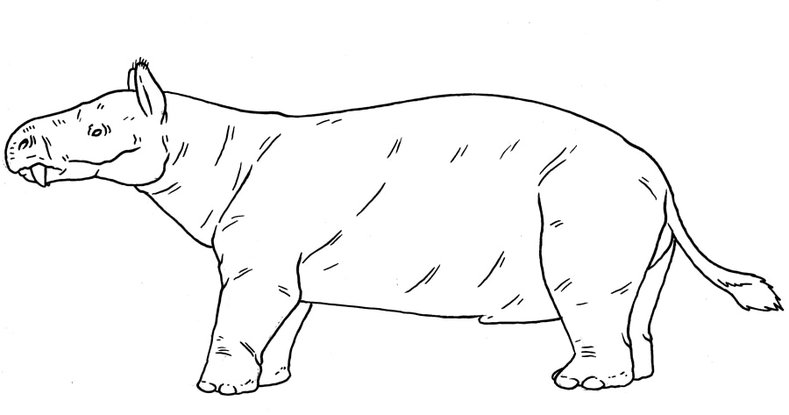
Relative of Coryphodon that has adapted to a truly hippopotamus-like aquatic lifestyle. Coryphodontidae.
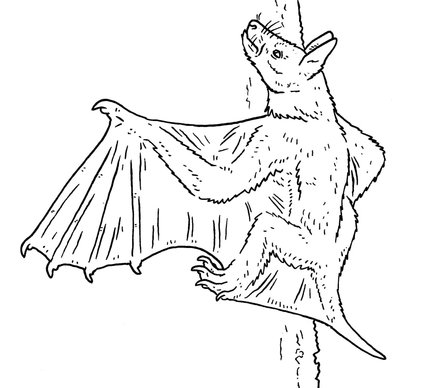
Primitive stem-bat with incipient wings used mainly for gliding. Stem Chiroptera.
Eocene
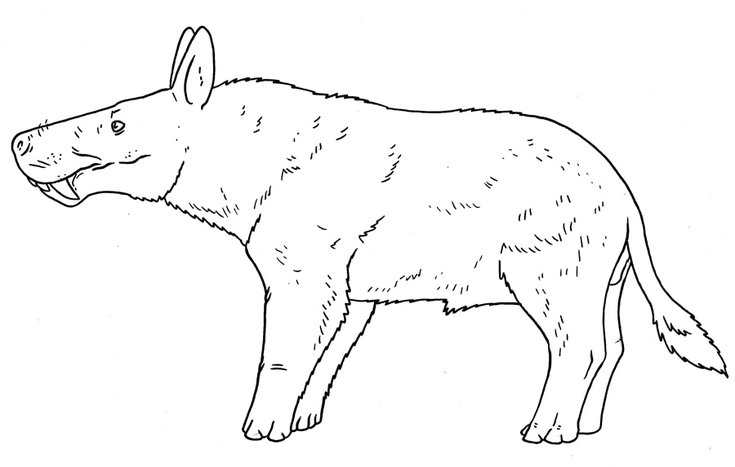
A large, sabre-toothed mesonychian. Mesonychidae.
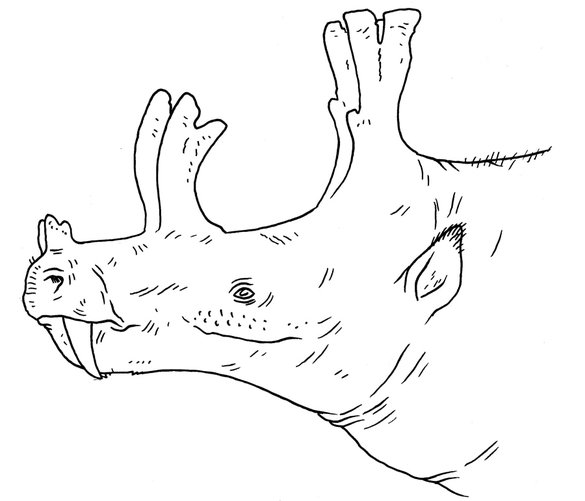
A uintathere with antler-like ossicones. Dinocerata.
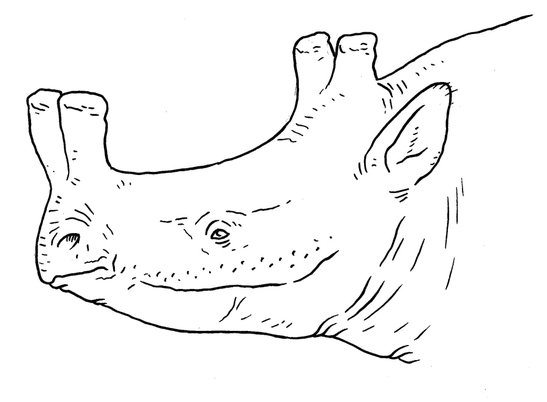
4 horned brontothere. Brontotheriidae.
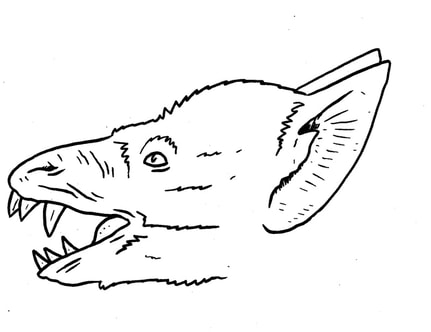
A kind of primitive bat that has convergently become a vampire-like blood-drinker. Palaeochiropterygidae.

An arboreal cimolestan which is adapted for gliding. Cimolesta.
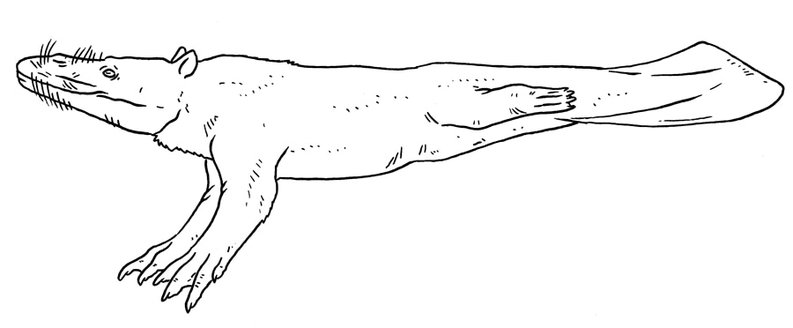
Primitive archaeocete with large hands for foraging on the seafloor. Protocetidae.
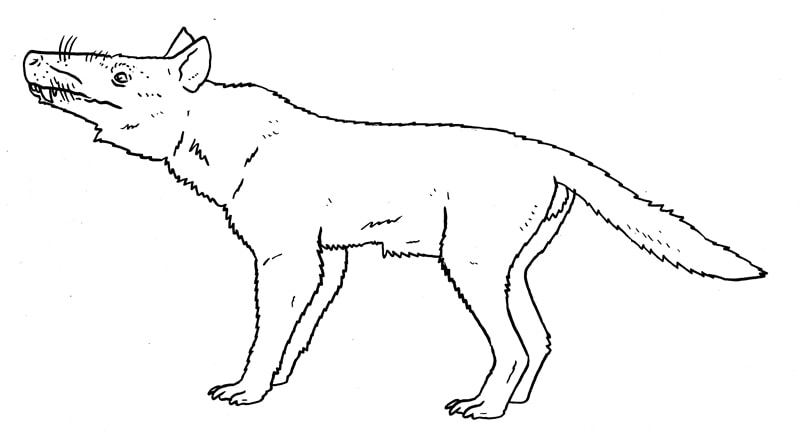
A kind of Creodont which is better adapted for running. Hyaenodontidae.
Oligocene
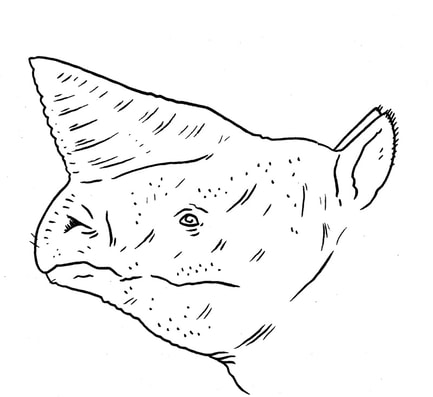
A relative of Arsinoitherium which has only a single horn. Arsinoitheriidae.
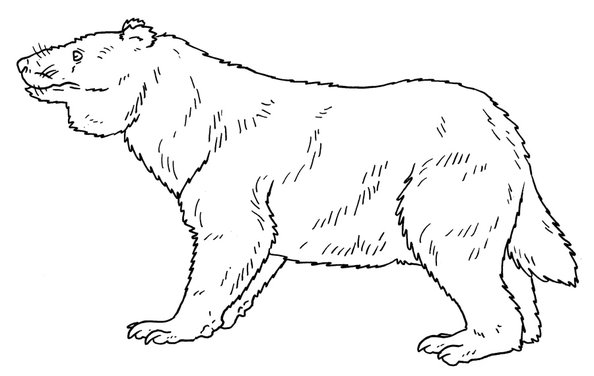
Hesperocyonine dog which has adapted to a herbivorous, panda-like lifestyle. Hesperocyoninae.
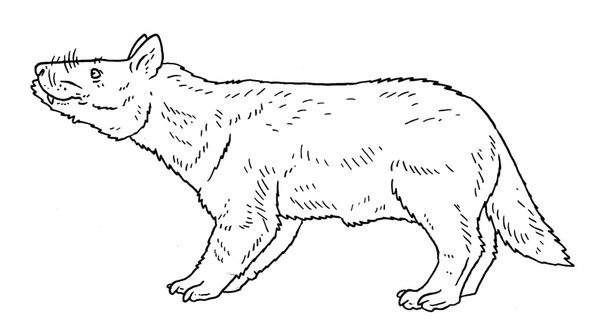
A tiny hesperocyonine which is similar in size to a stoat, catching small animals in their burrows. Hesperocyoninae.
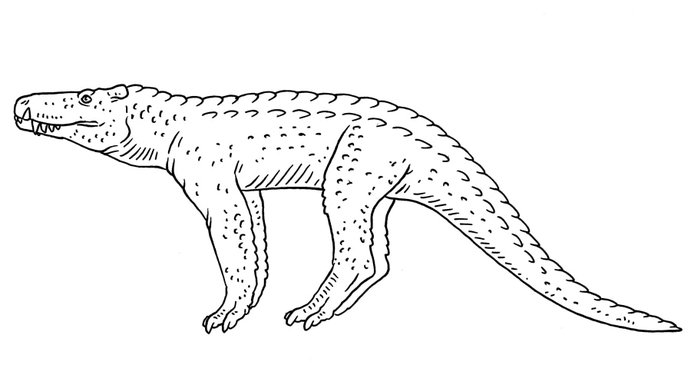
A ziphosuchian which has limbs better adapted to running. Sebecidae.
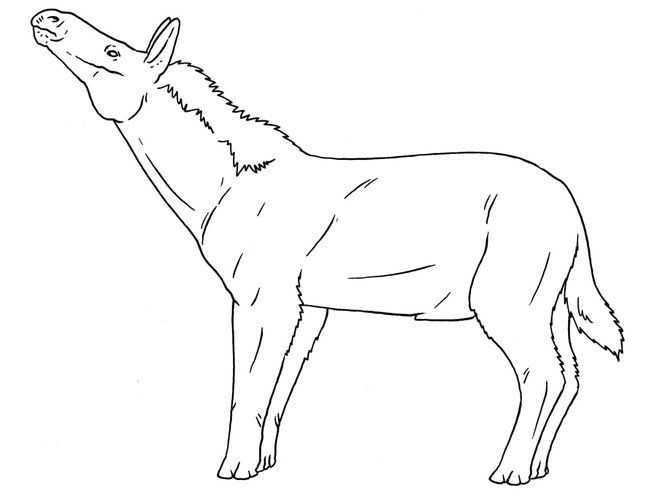
A large, okapi-like three-toed horse. Anchitheriinae.
Miocene
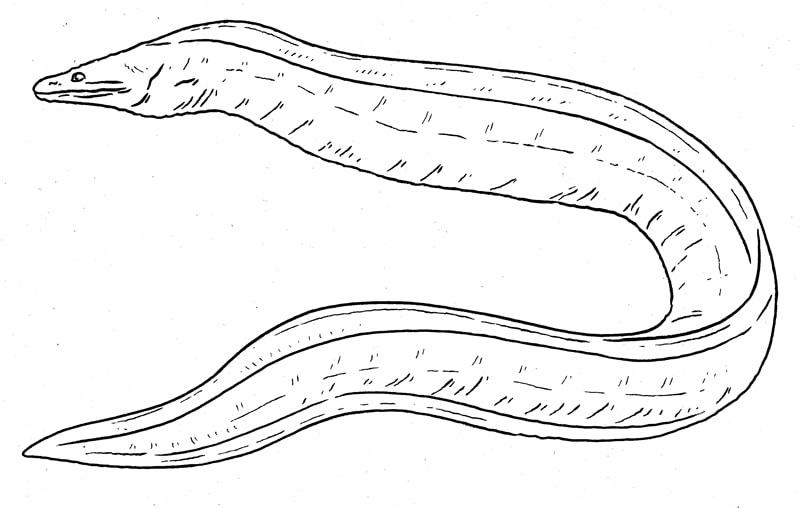
A giant species of Moray Eel, perhaps 5 meters long. Muraenidae.
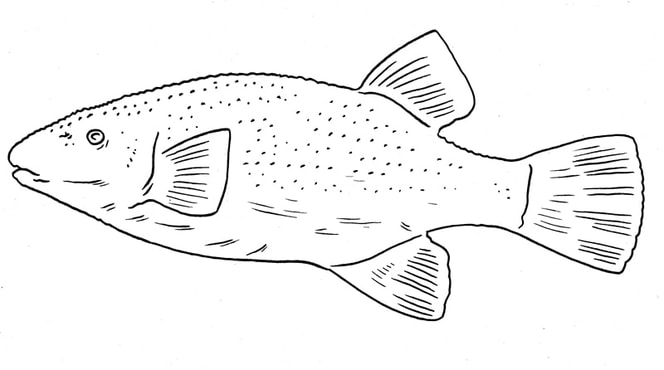
A reef dwelling puffer fish which is a good deal larger than any living species, maybe 1.6 meters long. Tetraodontidae.
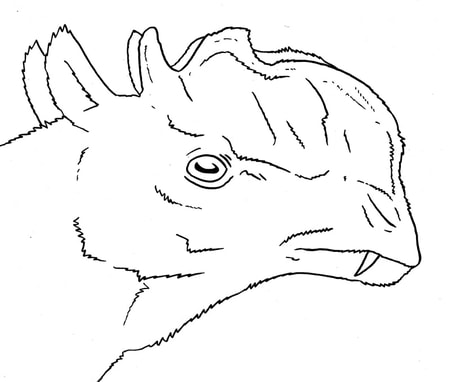
A Protoceratid Artiodactyl which has horns looking somewhat like the dual crests of Dilophosaurus. Protoceratidae.
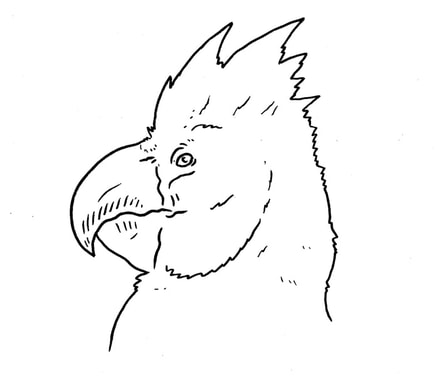
A Miocene Cockatoo from the Riversleigh deposits of Australia, which is a rainforest dweller converging on the modern Palm Cockatoo in the shape and size of its bill. Cacatuidae.
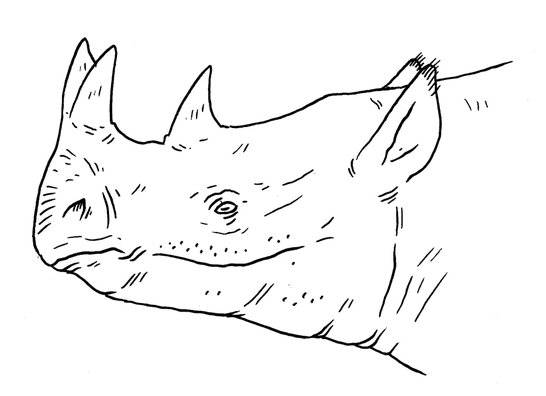
A three-horned primitive rhinoceros. Rhinocerotidae.
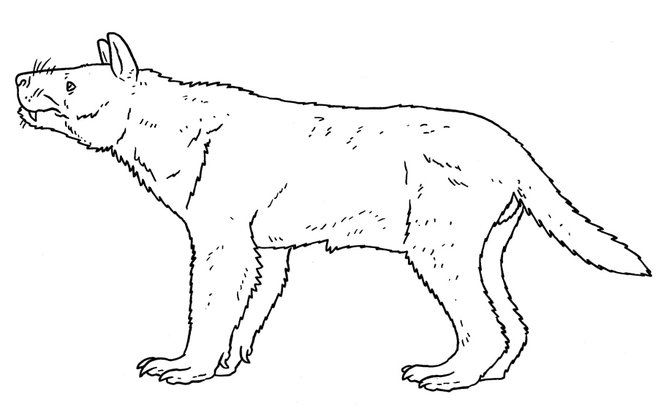
A dog which is much like a big-cat in its predatory adaptations, an ambush hunter. Borophaginae.
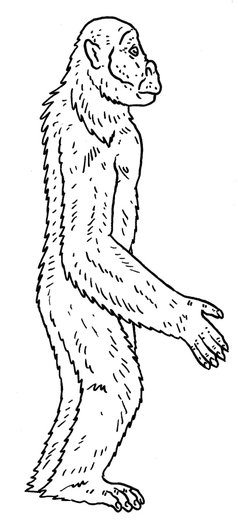
An ape which has convergently evolved habitual bipedalism. Dryopithecini.
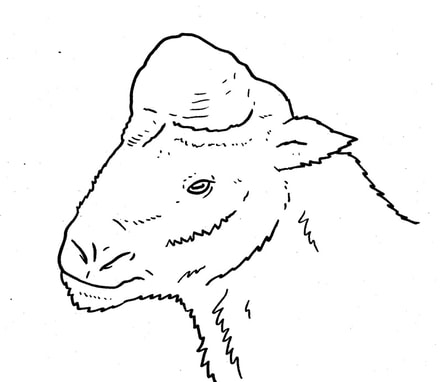
A relative of Tsaidamotherium in which the larger horn has become a thickened rounded helmet for head-butting. Ovibovini.
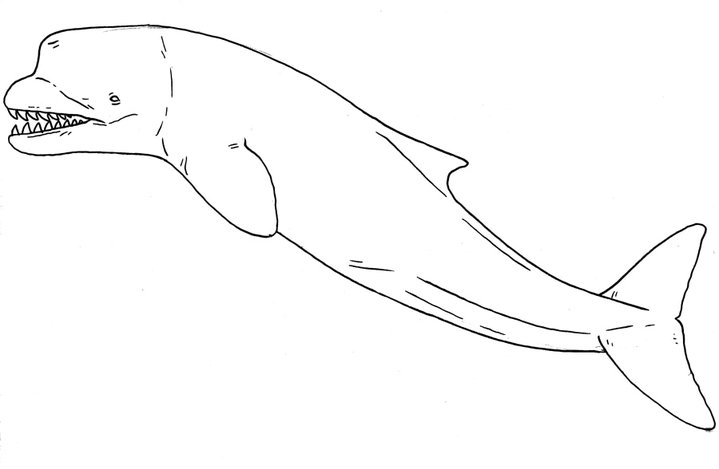
A raptorial sperm whale which has a long, streamlined body. Physeteroidea.
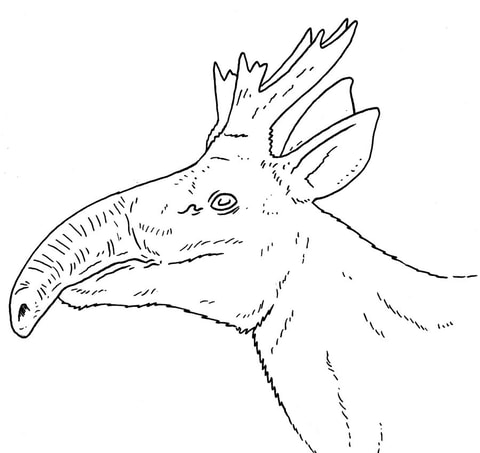
A deer which has evolved a large, tapir-like proboscis. Cervidae.
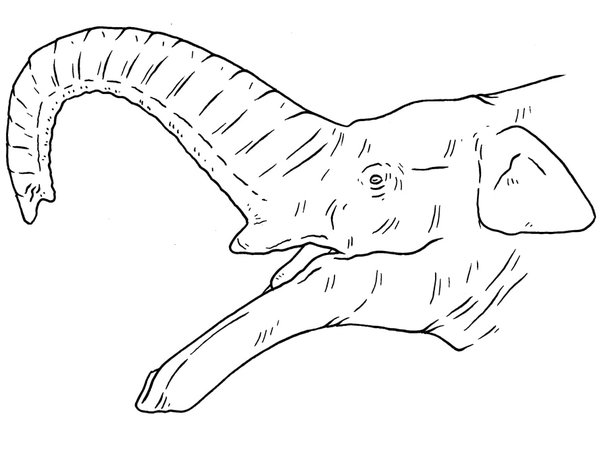
A tuskless gomphothere, related to Gnathobelodon. Gomphotheridae.
Pliocene
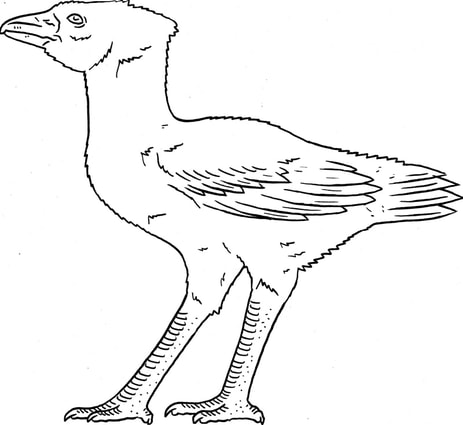
An Australian Presbyornithid which is adapted even further to being terrestrial than Wilaru. Presbyornithidae.
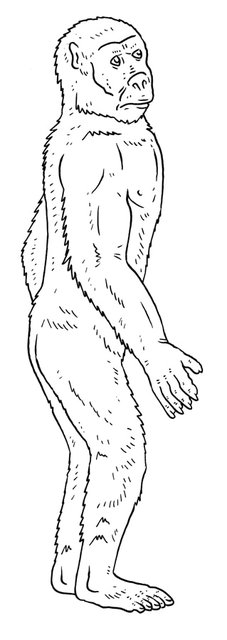
A relative of Paranthropus which attains a giant-like stature of 9 feet. Hominidae.
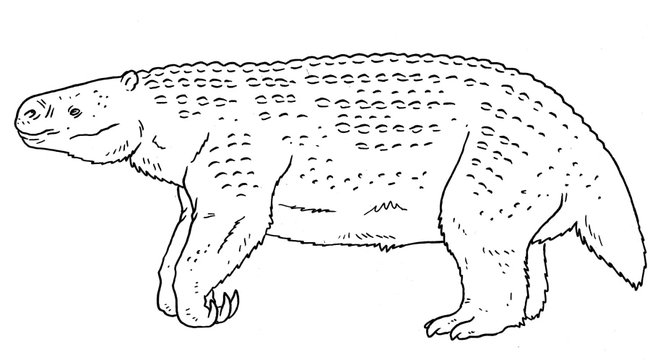
An externally armoured ground-sloth, with thick, tubercled skin covered in small osteoderms. Mylodontinae.
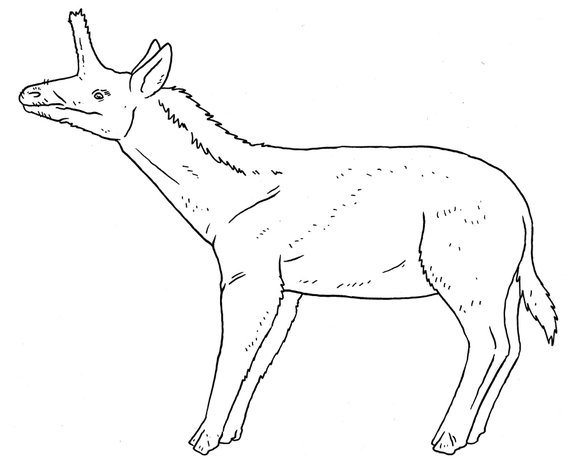
A primitive giraffe with a single, unicorn-like ossicone. Giraffidae.
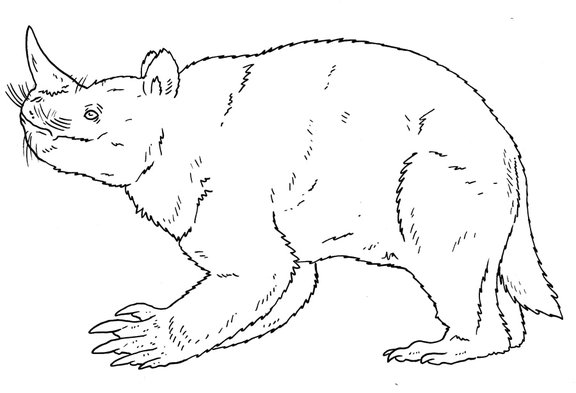
A horned gopher with only a single nose horn. Mylagaulidae.
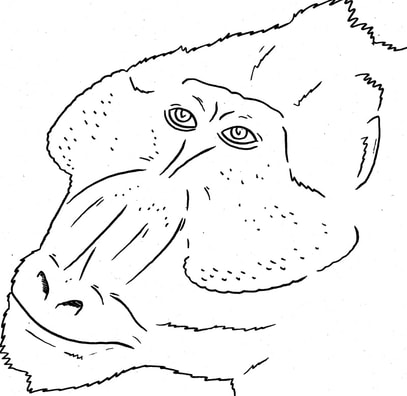
A large baboon which resembles a Mandrill, but has large, flared cheek flanges. Papionini.
Pleistocene
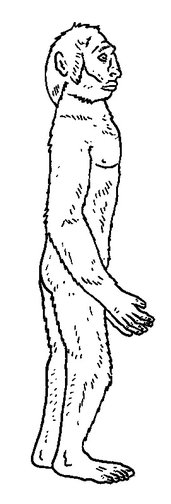
A small-statured hominid that occurs in Russia and Siberia alongside the Denisovans. Homo-habilis-like Hominin.
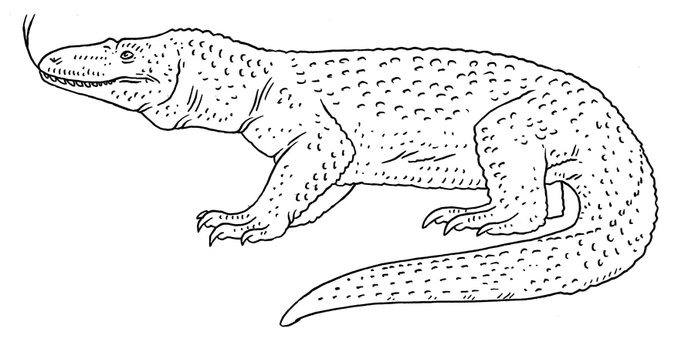
A giant varanid that occurs in New Guinea, similar in size to Megalania. Varanidae.
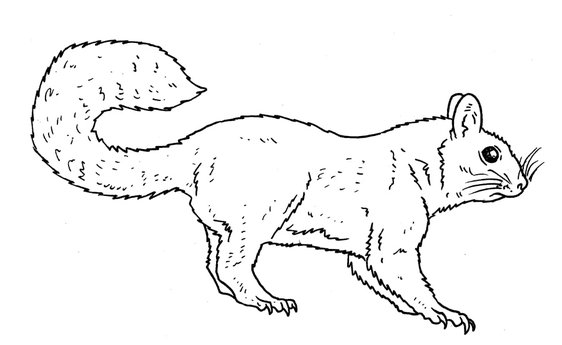
A giant carnivorous Mediterranean-island dormouse. Leithiinae.
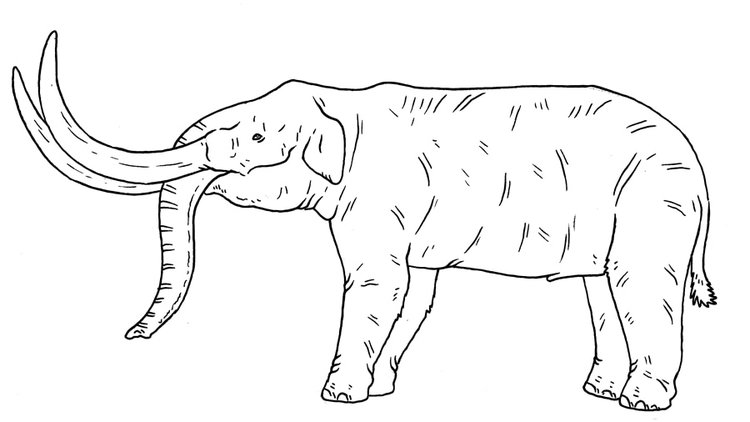
A pygmy-elephant which has oversized tusks, a Mediterranean island form. Paleoloxodon sp.
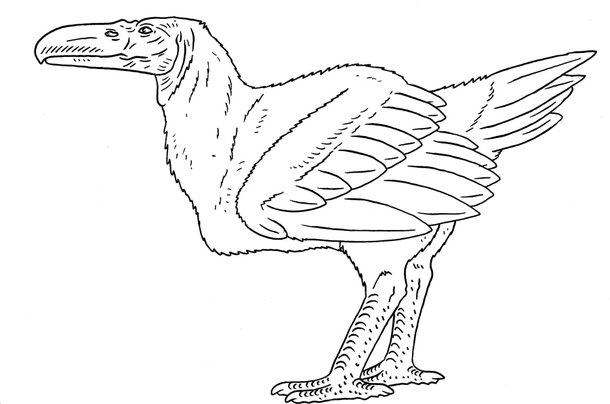
A teratorn which converges on a stork in its habits and adaptations. Teratornithidae.
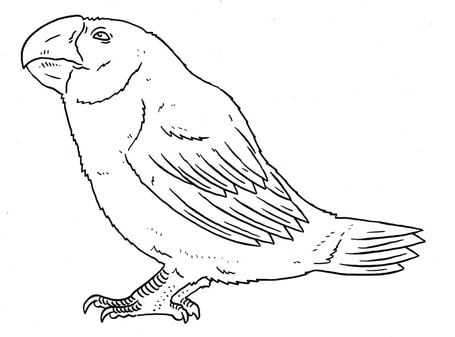
A rare example of a smaller ice age bird that has become extinct, a New Guinean Waxbill finch which has a large robust bill for cracking seeds. Estrildidae.
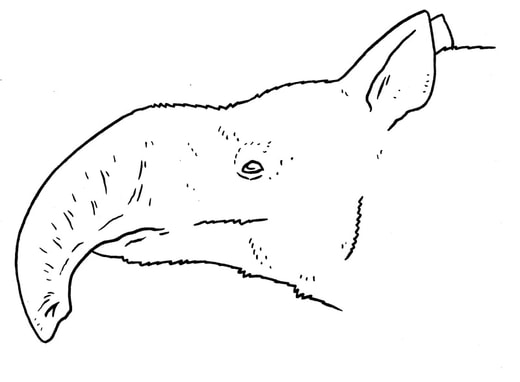
An ice-aged tapir which has a trunk that is longer and more dexterous than modern tapirs. Tapiridae.
Holocene
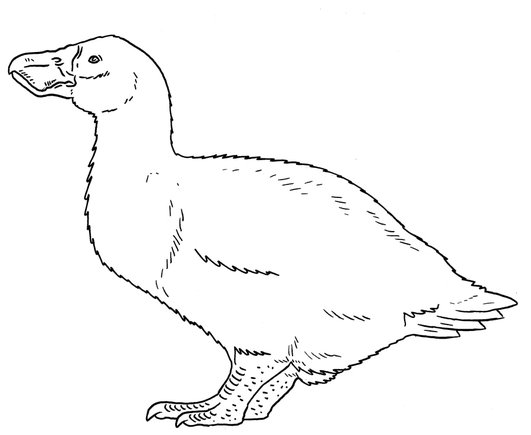
A wide-billed, grazing moa-nalo, Hawaii. Anatinae.
